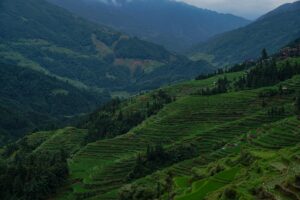
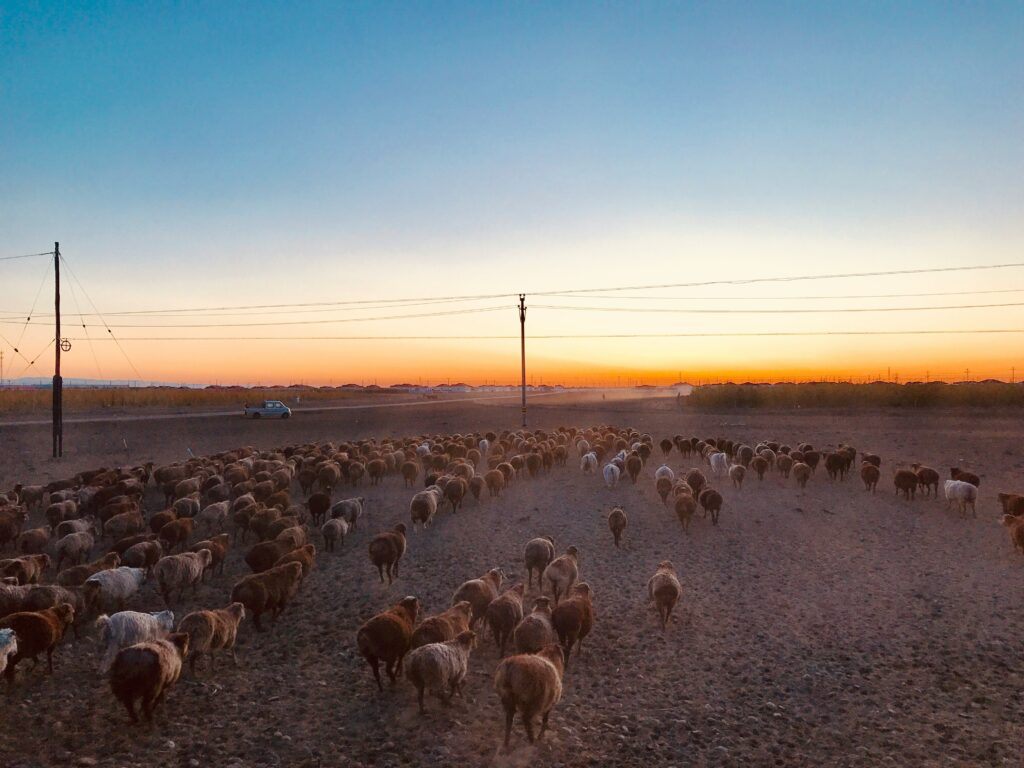
📍 North, Northeast, and Northwest China have long been China’s agricultural backbone—spanning everything from grains and livestock to aquaculture and forestry. Provinces like Heilongjiang, Shanxi, and Gansu have supplied the country’s staples for decades, feeding both people and policy.
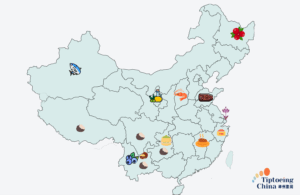
But now, a quiet shift is underway. Across these vast plains and plateaus, new crops, new species, and new exports are emerging—adding diversity and value to the country’s northern heartlands. From cranberries in the far northeast to shrimp farms in Shanxi and olive oil in Gansu, this region is discovering that tradition and innovation can grow side by side.
🍒 Heilongjiang: Cranberries from the Black Soil
Long known for soybeans and staples, Heilongjiang is now becoming one of China’s most important cranberry regions.
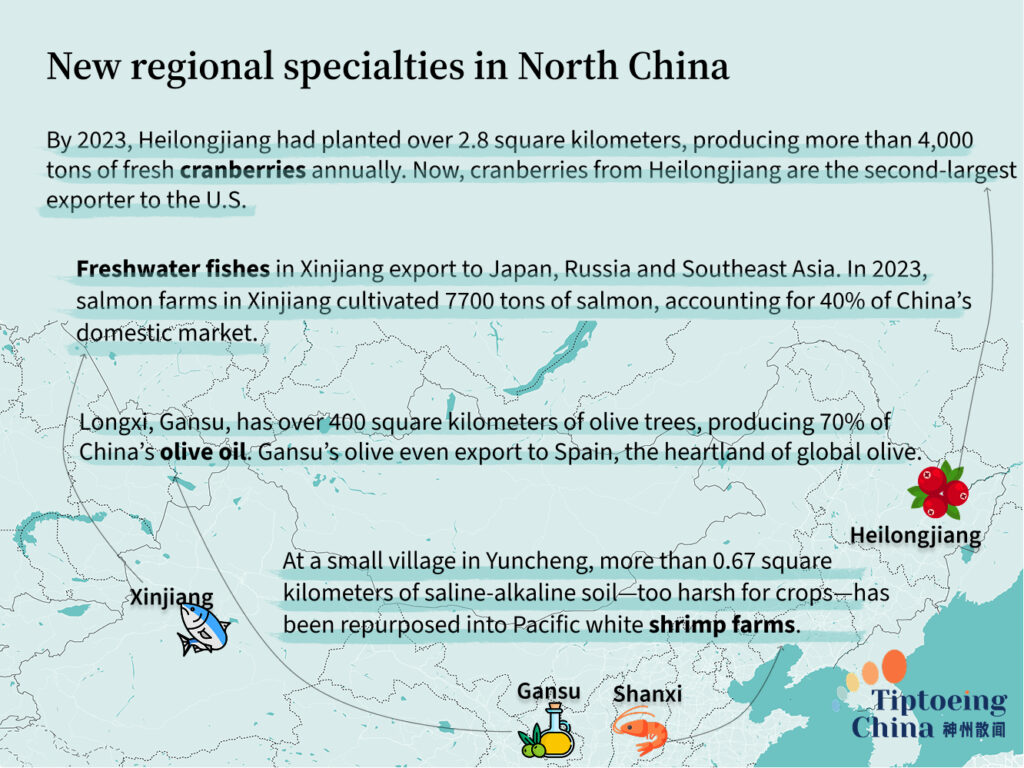
By 2023, the province had planted over 2.8 square kilometers, producing more than 4,000 tons of fresh cranberries annually. Now, cranberries from Heilongjiang are the second-largest exporter to the U.S.
🌱 Why here?
- Cranberries thrive in mild, humid climates with ample sunlight, ideally between 18–24°C
- They also require iron- and zinc-rich soils—a match for Heilongjiang’s fertile black earth (黑土地)
- Though winters here are harsh, the growing season aligns well with cranberry requirements
🍶 Beyond the berry
- Cranberries in Heilongjiang are processed into dozens of products, from nutritional supplements and skincare to pet food additives
- As functional foods gain popularity in China, cranberries offer both health appeal and economic promise
From heavy grains to antioxidant-rich berries, Heilongjiang is expanding what its land can grow—and what it can mean.
🫒 Gansu: A Lighter Olive Oil from China’s Northwest
You might not expect olive oil from China’s dry northwest—but Gansu’s Longnan region is now the country’s core production zone, especially in Wudu District in Longxi county (陇西县武都区), where over 400 square kilometers of olive trees stretch across the hillsides.
- The region produces 70% of China’s olive oil, making it a quiet national leader
- Chinese olive oil has a lighter, sweeter taste than Mediterranean varieties—well-suited for cold dishes, slow cooking, and Chinese-style stir-fry
- Since 2020, Gansu olive oil has been exported to countries including South Korea, Italy, and even Spain—the heartland of global olive oil
This isn’t a Mediterranean imitation. It’s a local adaptation—with its own profile, market, and culinary fit.
🦐 Shanxi: Turning Salt Flats into Shrimp Farms
In Yuncheng, Shanxi, one of the most surprising agricultural shifts is happening not in fertile plains—but on land long considered useless.
At Xikaizhang Village, more than 0.67 square kilometers of saline-alkaline soil—too harsh for crops—has been repurposed into Pacific white shrimp farms. These shrimp thrive in a wide salinity range (5‰–40‰), making them perfectly suited for soil conditions that once made grain cultivation impossible.
- The village converted the land into 1,000 shrimp ponds
- Each pond generates an annual profit of 60,000–80,000 RMB (about $8k-10k USD)
- The transformation turned what was once an annual 40,000 RMB (about $5k USD) weeding burden into a profitable aquaculture hub
This isn’t just a workaround—it’s a redefinition of value: turning salt-ruined land into saltwater opportunity.
🐟 Xinjiang: From Desert to the Freshwater Fish Hub
Though thousands of kilometers from the sea, Xinjiang is fast becoming a hub for freshwater aquaculture—from salmon to shrimp—thanks to its natural water sources, tech-enabled systems, and support from academia.
- Freshwater fish from Xinjiang are now exported to Japan, Russia, and across Southeast Asia
- In 2023, salmon farms in Xinjiang cultivated 7700 tons of salmon, accounting for 40% of China’s domestic market, with one company alone expecting to export 50 million RMB (about $6.8) worth of fish (not only salmon).
- One inland farm in Nileke County can now process and ship up to 50 tons of salmon per day, delivering it to tables in under 24 hours
- Besides Salmon, farms are experimenting with shrimp, bass, and even tropical grouper
🧪 What’s powering the transformation:
- “Fish + plant” systems (like rice-fish or lotus-fish) help clean water and enrich the soil
- Support from the academia: In Alar, a major farm partnered with Zhejiang University to create a pilot base for farming high-end species like pearl grouper; one trial with 2,000 juveniles is expected to yield 6.2 tons of fish valued at over 900,000 RMB (about $13k USD)