🚉 What Is the Yunnan–ASEAN Rail Network?
China is no longer just looking west—it’s also moving decisively south. From its southern hub in Yunnan and Guangxi, a growing network of rail lines now connects China with Vietnam, Laos, Thailand, and potentially Singapore, linking China with the Association of Southeast Asian Nations (ASEAN). These southbound corridors offer China faster trade access—and a strategic footprint across the region.
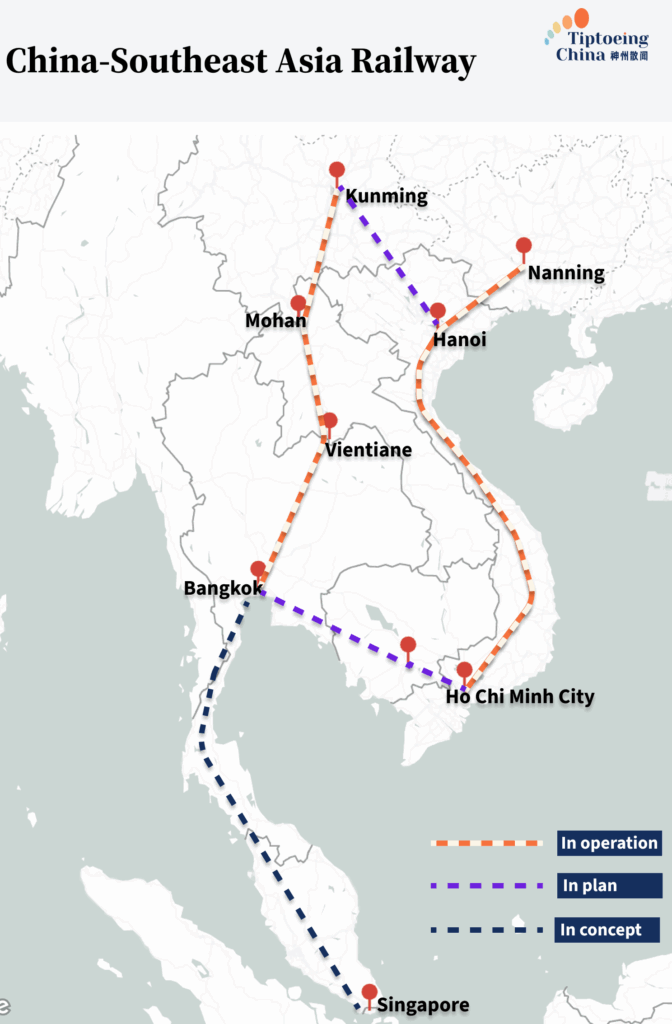
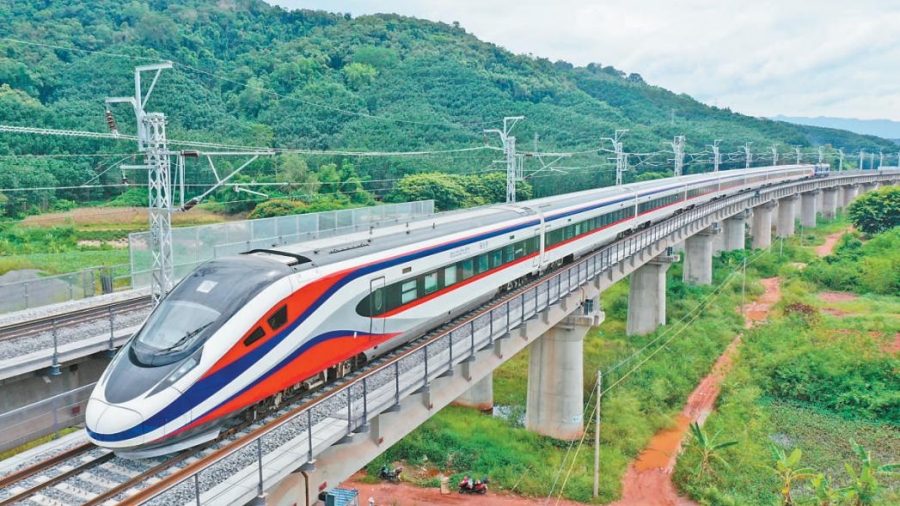
1. China–Laos Railway
- Opened in 2021, connecting Kunming to Vientiane via the Mohan Port (磨憨口岸) border crossing.
- Carries both passengers and cargo, with the fastest train taking 10.5 hours.
- As of November 2024, it has transported over 42 million passengers and 47.5 million tons of freight.
2. China–Thailand Extension (via Laos)
- Began operation in July 2024, linking Kunming to Bangkok (the capital of Thailand) through Vientiane (the capital of Laos).
- Cargo is transferred in Vientiane, and the full journey takes about 24 hours.
- This creates a high-speed, inland alternative to Southeast Asian sea lanes.
3. China–Vietnam Railway
- Originally built in the early 1900s, modernized over the years.
- The Nanning–Hanoi upgrade was completed in 2023, cutting travel time from 40 hours to 14.
- It crosses at Youyi Port (友谊国际口岸), the major land port between Guangxi and northern Vietnam.
- The Hanoi–Ho Chi Minh City section remains outdated (36 hours), with a high-speed upgrade planned by 2035.
4. Bangkok–Singapore Line (Conception)
- A long-discussed railway connecting Thailand, Malaysia, and Singapore.
- First proposed in 2006, but remains in the concept stage.
🚦 Why It Matters
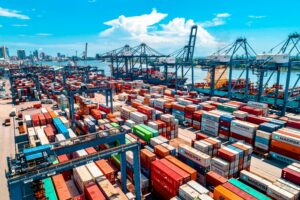
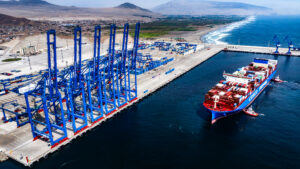
- Bypasses the Sea: These routes reduce dependence on congested shipping lanes and the Malacca Strait.
- Strengthens ASEAN Ties: Overland links accelerate regional trade and support industrial integration with Southeast Asia.
- Soft Power Through Steel: Infrastructure diplomacy deepens China’s influence without direct confrontation.
🛠️ How It Works
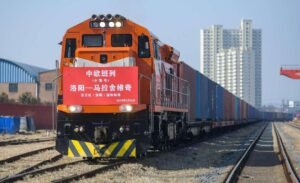
- Trains begin in Kunming or Nanning, loaded with exports ranging from electronics and machinery to clothing and daily-use goods.
- At the Mohan border port, cargo and passengers cross into Laos—where the system branches into multiple directions.
- According to Yunnan Daily, in 2024, Mohan Port handled 9.28 million tons of cargo, up 13.49% year-on-year.
These routes serve both trade and tourism—with growing numbers of Chinese tourists taking the train into Laos, Vietnam, and Thailand, boosting regional recovery and cultural connectivity.
📦 What’s Moving?
- Exports: Electronics, machinery, clothing, automotive parts
- Imports: Tropical fruits, coffee, rubber, agricultural products
- People: A rising stream of Chinese tourists using international trains to explore Southeast Asia
🔍 Key Dynamics to Watch
- China’s rail diplomacy is quietly reshaping regional infrastructure flows
- Tourism and trade are now traveling on the same tracks
- Southern corridors are emerging as viable alternatives to maritime shipping—offering speed, flexibility, and fewer geopolitical chokepoints
The China–ASEAN rail system is more than a new trade lane—it’s a living bridge between China and the Global South, built on track, trust, and regional vision.